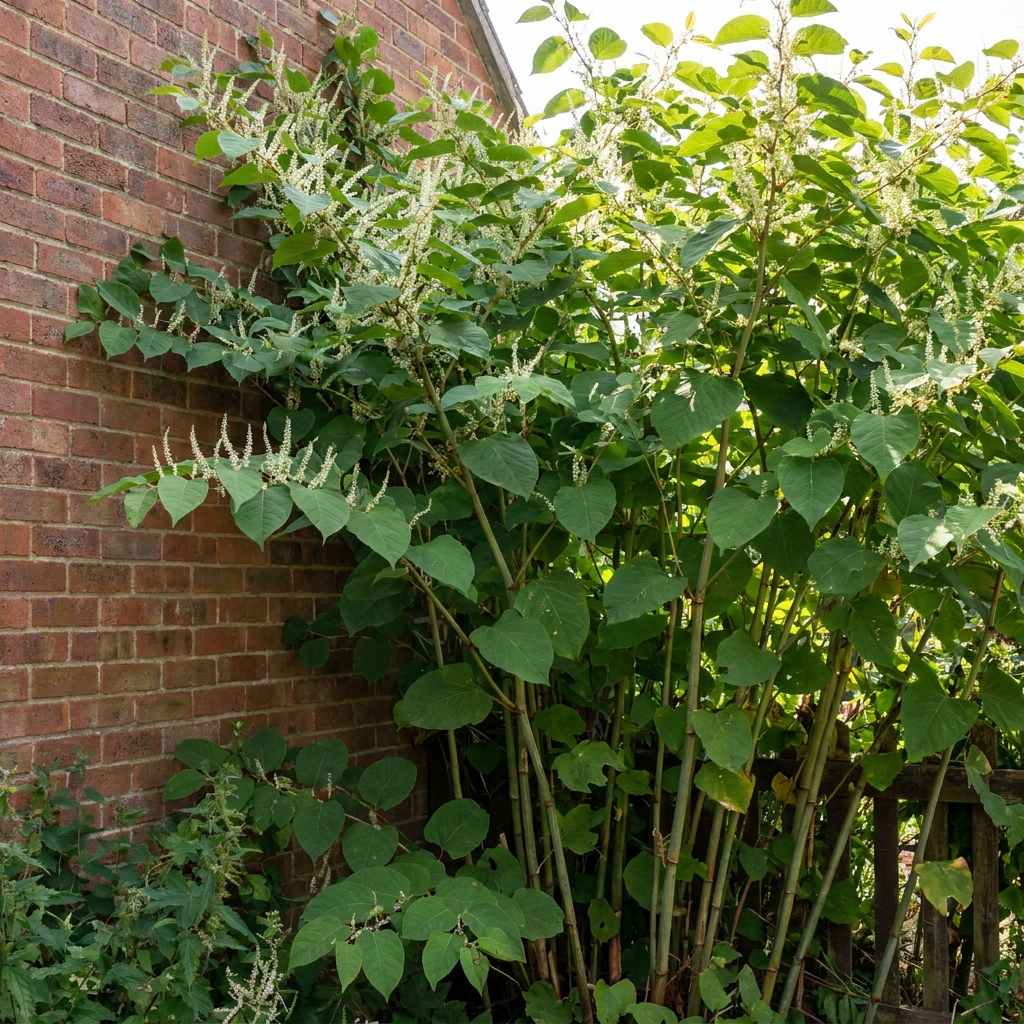
The short answer
There are three realistic routes: a professional herbicide programme, physical excavation, or a combination of the two. Herbicide is the cheapest and least disruptive but takes several growing seasons because it must kill the underground rhizome, not just the visible canes. Excavation is faster but expensive and generates controlled waste. Cutting, pulling or strimming alone does not work and can spread the plant. The right method depends on a PCA-accredited survey of your site.
Japanese knotweed survives because of its rhizome — a dense underground root system that can extend metres from the visible canes and regrow from a fragment the size of a fingernail. Killing it means destroying or removing that rhizome, which is why no single weekend job will do. Below are the realistic options, what each achieves, and why ‘getting rid of it’ is measured in seasons, not days.
Killing knotweed at a glance
- Main methods Herbicide, excavation, or combined
- Herbicide timescale Around 3 growing seasons + monitoring
- Why it persists Regrows from rhizome fragments
- DIY cutting Ineffective and can spread it
- Assessment PCA-accredited survey first
Why knotweed is hard to kill
The visible canes are only part of the plant. Below ground, the rhizome stores energy and can lie dormant for years. Glyphosate-based herbicide works by being drawn down into this rhizome, so the goal of any programme is systemic kill, not surface dieback. Pulling or cutting the canes removes the easy part and leaves the difficult part intact — and every cut fragment is a potential new plant.
The three realistic options
- Professional herbicide programme — repeated glyphosate application (foliar spray or stem injection) over multiple seasons. Lowest cost and least disruption, but slow. See our glyphosate guide.
- Excavation (dig-and-dump or on-site burial) — physical removal of contaminated soil. Fast and immediate, but expensive and generates controlled waste. See digging it out.
- Combined approach — herbicide to weaken the stand, then targeted excavation, often used where a site must be developed or sold quickly.
| Method | Speed | Typical cost | Best when |
|---|---|---|---|
| Herbicide programme | ~3 seasons | £1,500–£3,000 | No urgent deadline |
| Excavation | Immediate | £5,000–£15,000+ | Development or fast sale |
| Combined | Reduced | Varies | Part-site clearance |
What does not work
Strimming, mowing, burning the canes alone, covering with a tarpaulin, or applying a general weedkiller will not kill an established stand. Cutting and disturbing the plant can actively spread it, and the cut material is itself controlled waste that cannot go in your green bin. Read our disposal guide before touching any material.
What to do next
Commission a survey from a PCA-accredited specialist. They will confirm the extent of the rhizome, recommend herbicide, excavation or a combination, and produce a management plan — which is also what a mortgage lender will expect. A realistic cost breakdown follows from that survey, not from a guess.
This page is general information, not a site-specific survey or legal advice. The correct method always depends on professional assessment of your particular site.
Frequently asked questions
Can I kill Japanese knotweed myself?
Legally you can treat knotweed on your own land, but doing it properly is difficult: glyphosate must be applied correctly over several seasons, and any waste is controlled waste with strict disposal rules. DIY cutting can spread it. Most owners use a PCA-accredited contractor, partly because mortgage lenders expect a documented treatment plan.
How long does it take to kill knotweed?
A herbicide programme typically runs over around three growing seasons plus a monitoring period. Excavation removes it immediately but only if all contaminated soil is taken out. There is no reliable one-application cure.
Does cutting it down kill it?
No. Cutting removes the canes but leaves the rhizome, which regrows. Worse, cut and disturbed fragments can spread the plant and are classed as controlled waste.
Which method is cheapest?
A professional herbicide programme is usually the cheapest route, in the region of £1,500–£3,000 over three seasons, compared with £5,000–£15,000+ for excavation. The trade-off is time.
Sources & further reading
- gov.uk — Prevent the spread of Japanese knotweed and other invasive plants
- Property Care Association (PCA) — Invasive Weed Control Group: choosing a contractor
- Environment Agency — Knotweed code of practice (managing on development sites)
- Wildlife & Countryside Act 1981 — section 14 / Schedule 9
This guide is general information, not a site-specific survey or legal advice. Japanese knotweed treatment and removal should be assessed by a PCA-accredited specialist before you act.