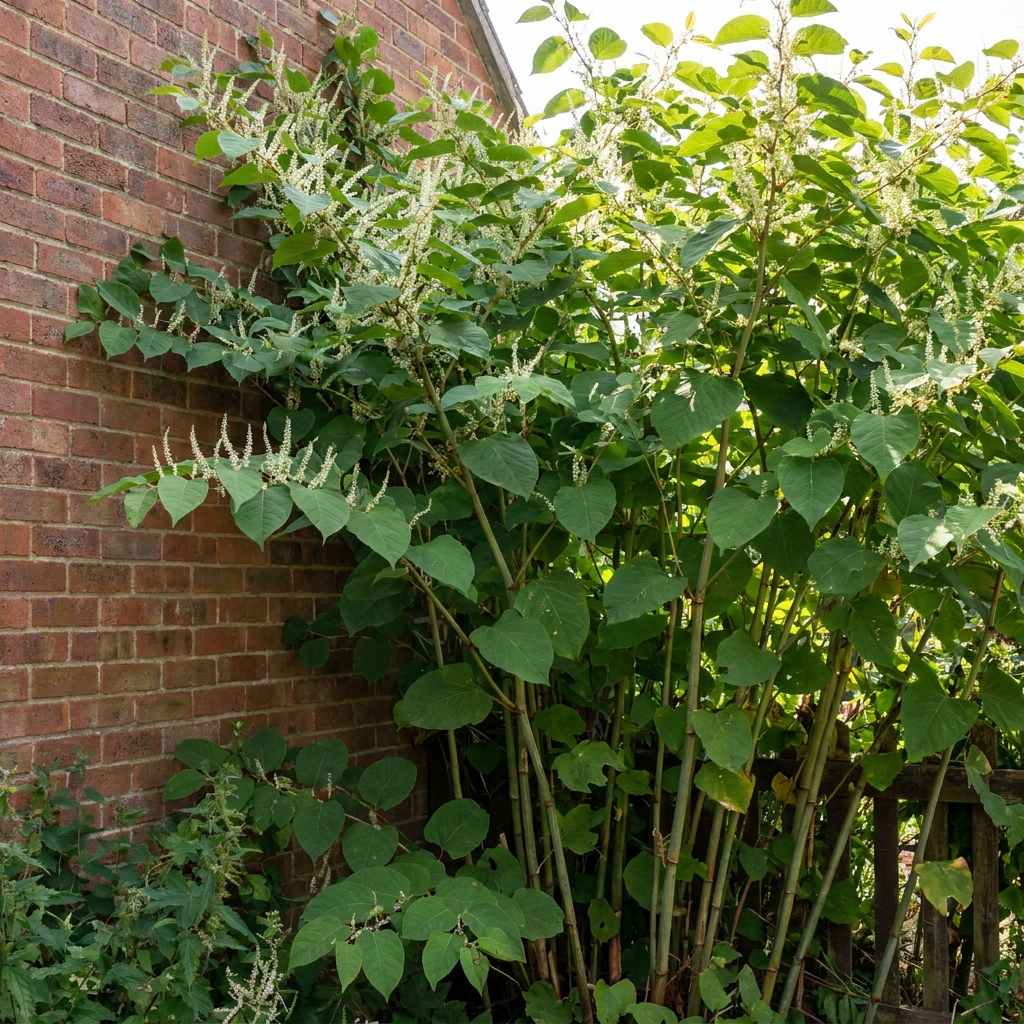
The short answer
Yes — excavation physically removes the rhizome and gives an immediate result, but it must remove every fragment or the plant returns. Options are full dig-and-dump (all contaminated soil sent to licensed landfill), or on-site solutions such as cell burial deep in the ground or a root-barrier membrane to contain the rhizome. Excavation is costly and generates controlled waste, so it is usually chosen when speed matters — for a sale or a build.
Excavation is the fast route, but it is unforgiving. Japanese knotweed regrows from a rhizome fragment a few centimetres long, so an incomplete dig simply relocates the problem and can spread it across the site. Done properly — by a contractor who knows how far the rhizome travels — it is the most reliable way to clear a plot quickly. Here are the methods and their trade-offs.
Excavation at a glance
- Result Immediate removal
- Methods Dig-and-dump, cell burial, root barrier
- Key risk Regrowth from fragments
- Waste Controlled waste – licensed disposal
- Typical cost £5,000–£15,000+
Why fragments matter so much
The rhizome can extend well beyond the visible canes and regenerate from a small piece. This is the single most important fact about digging: if the excavator misses a length of rhizome, or a fragment is dragged across clean ground on machinery tracks, the plant re-establishes. A competent contractor over-digs around the known extent and screens the soil to catch fragments.
The main excavation methods
| Method | What happens | When it is used |
|---|---|---|
| Dig-and-dump | All contaminated soil removed to licensed landfill | Smaller sites, fastest certainty |
| On-site cell burial | Rhizome buried deep, wrapped in membrane | Larger sites with space, lower waste cost |
| Root-barrier membrane | Vertical/horizontal barrier contains spread | Boundaries, retained stands |
| Screening | Soil sieved to recover rhizome, clean soil reused | Reduces volume sent to landfill |
- Dig-and-dump is simplest but the most expensive because of landfill costs.
- Cell burial and root barriers keep material on site, reducing disposal cost where the survey allows.
Excavation vs herbicide
Excavation gives an immediate, verifiable result, which is why developers and sellers favour it. The cost — typically £5,000–£15,000 or more — reflects machinery and waste disposal. A slower, cheaper alternative is a glyphosate programme. Many projects combine both: see how to kill knotweed and the deeper dive in our excavation guide.
This page is general information. The right excavation method, dig depth and disposal route must be set by a PCA-accredited survey of your site.
Frequently asked questions
Will digging it out get rid of it for good?
It can, but only if every fragment of rhizome is removed. Knotweed regrows from small pieces, so a thorough, over-dug and screened excavation is essential. A careless dig can spread it further.
What is cell burial?
Cell burial means burying the excavated rhizome deep on site, wrapped in a root-barrier membrane, so it cannot regrow. It keeps material on site and avoids costly landfill disposal where the survey permits.
Can I put the dug-up soil in a skip?
No. Excavated knotweed soil is controlled waste under the Environmental Protection Act 1990. It must go to a licensed landfill or be carried by a registered waste carrier, not a general skip or your bin.
Is excavation better than herbicide?
It is faster and gives an immediate result, which suits sales and development, but it costs far more — typically £5,000–£15,000+ versus £1,500–£3,000 for herbicide. The best choice depends on your timescale and budget.
Sources & further reading
- Environment Agency — Managing Japanese knotweed on development sites code of practice
- Environmental Protection Act 1990 — controlled waste duty of care
- gov.uk — Dispose of Japanese knotweed correctly
- Property Care Association (PCA) — Invasive Weed Control Group excavation guidance
This guide is general information, not a site-specific survey or legal advice. Japanese knotweed treatment and removal should be assessed by a PCA-accredited specialist before you act.