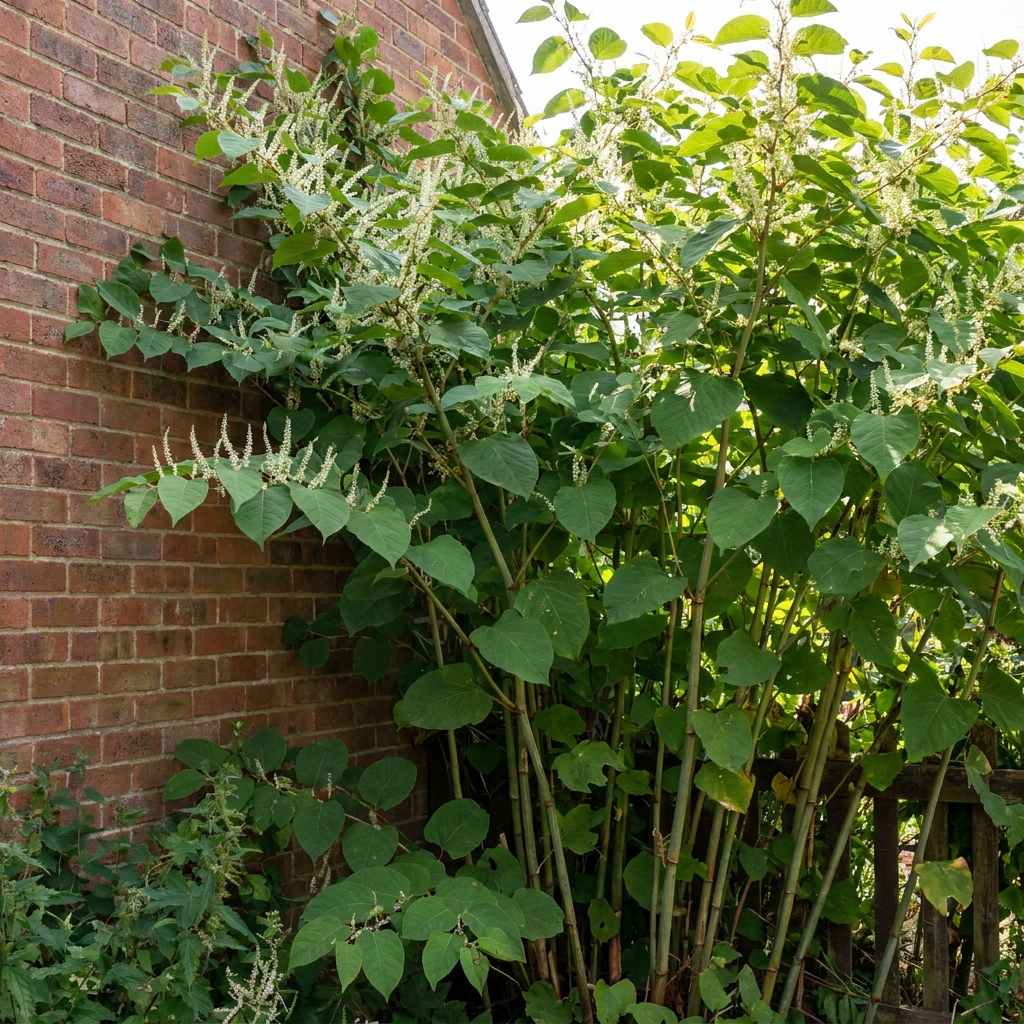
The short answer
Excavation is needed when you cannot wait several seasons for herbicide — typically for development or a fast property sale. The choice is between dig-and-dump (all contaminated soil to licensed landfill, simplest but most expensive) and on-site methods such as cell burial and soil screening (cheaper on disposal where there is space). All routes generate controlled waste under the Environmental Protection Act 1990 and must be handled by a registered carrier or licensed landfill.
Where a herbicide programme’s three-season timescale is incompatible with a build programme or a sale, excavation is the answer. It is more expensive and more disruptive, but it delivers an immediate, verifiable result — provided every rhizome fragment is captured. This guide explains the methods, the costs and when excavation is genuinely necessary.
Excavation at a glance
- Why excavate Speed – development or fast sale
- Dig-and-dump All soil to licensed landfill
- On-site options Cell burial, screening, barriers
- Typical cost £5,000–£15,000+
- Waste status Controlled waste – EPA 1990
When excavation is the right call
- Development sites — you cannot build over an untreated stand, and a build programme will not wait for three seasons of herbicide.
- Fast property sale — a buyer or lender may want the problem physically removed rather than mid-treatment.
- Small, accessible stands — where the cost of a clean dig is justified by certainty.
Where there is no deadline, a herbicide programme is usually cheaper and less disruptive.
Dig-and-dump vs on-site methods
| Approach | Disposal | Relative cost |
|---|---|---|
| Dig-and-dump | All soil to licensed landfill | Highest |
| Screening | Rhizome recovered, clean soil reused | Reduces landfill volume |
| Cell burial | Rhizome buried deep, wrapped in membrane | Lower (needs space) |
| Root-barrier membrane | Contains spread at a boundary | Site-specific |
On-site methods keep material on the plot and cut the cost of sending controlled waste to landfill — but only where the survey confirms there is room and the membrane is correctly installed.
Cost and why it varies
Excavation typically costs £5,000–£15,000 or more, driven by the volume of soil, access for machinery and the disposal route. Dig-and-dump sits at the top because of landfill charges; screening and on-site burial can bring it down. For the full picture against herbicide, see removal cost and the method overview in how to kill knotweed.
This page is general information, not a survey. The dig depth, method and disposal route must be set by a PCA-accredited assessment of your site.
Frequently asked questions
Do I always need to excavate knotweed?
No. Excavation is for situations where speed matters — development or a fast sale. If you can wait, a herbicide programme is usually cheaper and less disruptive. The survey determines which is appropriate.
What is dig-and-dump?
Dig-and-dump means excavating all contaminated soil and sending it to a licensed landfill. It is the simplest method and gives certainty, but it is the most expensive because of landfill disposal costs.
How deep does the rhizome go?
The rhizome can extend well beyond the visible canes both outwards and downwards, which is why excavation must over-dig the known extent and screen the soil. The exact extent is established by survey.
Can excavated soil stay on site?
Sometimes — cell burial deep in the ground or screening to reuse clean soil can keep material on site, reducing landfill cost. This is only possible where the survey confirms space and is done with proper membranes.
Sources & further reading
- Environment Agency — Managing Japanese knotweed on development sites code of practice
- Environmental Protection Act 1990 — controlled waste duty of care
- gov.uk — Dispose of Japanese knotweed and treated soil
- Property Care Association (PCA) — Invasive Weed Control Group excavation guidance
This guide is general information, not a site-specific survey or legal advice. Japanese knotweed treatment and removal should be assessed by a PCA-accredited specialist before you act.