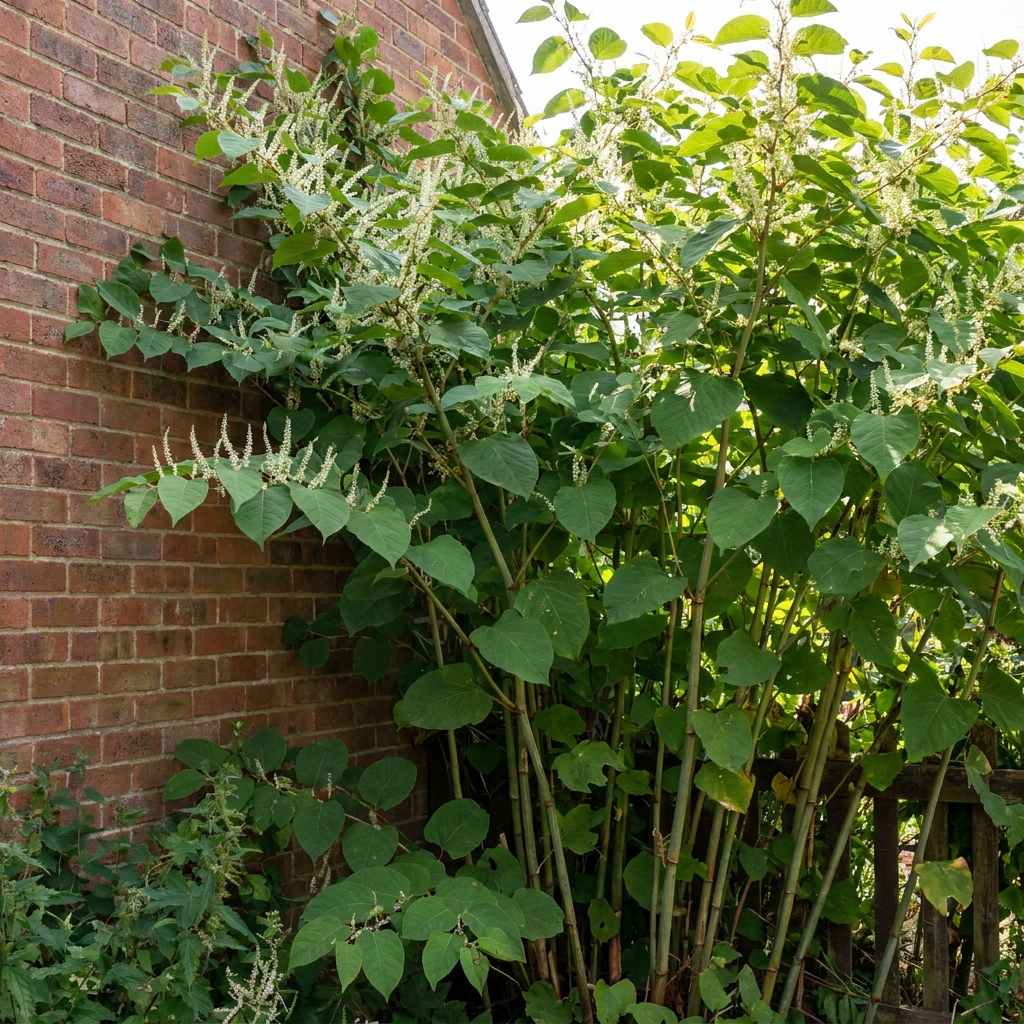
The short answer
You can dry and burn Japanese knotweed canes to reduce volume, but burning alone does not solve the problem — the underground rhizome must still be killed or removed. Cut canes should be dried out first, and burning must comply with local bylaws and not cause a nuisance. Any unburnt material and rhizome remain controlled waste under the Environmental Protection Act 1990. Burning is a volume-reduction step, not a treatment method.
Burning is often suggested as a cheap fix, but it tackles the wrong part of the plant. The canes above ground are easy to destroy; the rhizome below ground is what regrows. Used sensibly — drying canes and burning them where permitted — fire can cut the volume of waste, but it must sit inside a proper treatment plan and the legal rules on waste and bonfires. Here is how it fits in, and where it does not.
Burning at a glance
- What it does Reduces cane volume
- What it can’t do Kill the rhizome
- Prepare first Dry the cut canes
- Legal limits Local bylaws / nuisance rules
- Residue Controlled waste – EPA 1990
What burning achieves — and what it doesn’t
Burning destroys the canes you can see, which reduces the bulk of green waste you have to deal with. What it cannot do is kill the rhizome, which is below ground and untouched by a surface fire. So burning is, at best, a volume-reduction step that sits alongside herbicide or excavation — not a substitute for either. The plant will regrow from the rhizome regardless of how thoroughly you burn the canes.
Doing it properly
- Dry first — freshly cut canes burn poorly; leaving them to dry on a hard surface (never on soil where fragments could root) makes burning effective.
- Check local rules — bonfires are subject to local bylaws and nuisance law; you must not cause smoke that affects neighbours or roads.
- Contain fragments — move and store cut material carefully so fragments cannot spread or wash away.
| Material | Status after burning |
|---|---|
| Dried canes | Reduced to ash — lower volume |
| Unburnt canes | Still controlled waste |
| Rhizome / soil | Unaffected — still alive, still controlled waste |
| Ash | Dispose of responsibly per duty of care |
Where burning fits in the plan
In practice, burning is a minor housekeeping step within a real programme: kill the rhizome with a glyphosate programme or remove it by excavation, and use drying-and-burning only to manage cut cane volume where local rules allow. Everything that is not fully burned still follows the disposal rules.
This page is general information, not advice on bonfires or waste in your area. Check your council’s rules and follow the Environment Agency code of practice.
Frequently asked questions
Does burning Japanese knotweed kill it?
No. Burning destroys the canes above ground but not the rhizome below, which regrows. Burning only reduces the volume of cut material — the rhizome must still be killed by herbicide or removed by excavation.
Is it legal to burn knotweed?
You may dry and burn cut canes, but bonfires are subject to local bylaws and nuisance rules, and you must not cause smoke that affects neighbours or roads. Any unburnt material and rhizome remain controlled waste.
Should I dry the canes before burning?
Yes. Freshly cut canes burn poorly. Dry them on a hard surface — never on soil where fragments could root — before burning, and contain the material so fragments cannot spread.
What do I do with the ash and leftovers?
Anything not fully burned, plus any rhizome or soil, is controlled waste under the Environmental Protection Act 1990 and must go to licensed disposal. Manage the ash responsibly under the waste duty of care.
Sources & further reading
- gov.uk — Dispose of Japanese knotweed (drying and burning guidance)
- Environmental Protection Act 1990 — controlled waste and duty of care
- Environment Agency — Managing Japanese knotweed on development sites code of practice
- gov.uk — Garden bonfires: the rules
This guide is general information, not a site-specific survey or legal advice. Japanese knotweed treatment and removal should be assessed by a PCA-accredited specialist before you act.