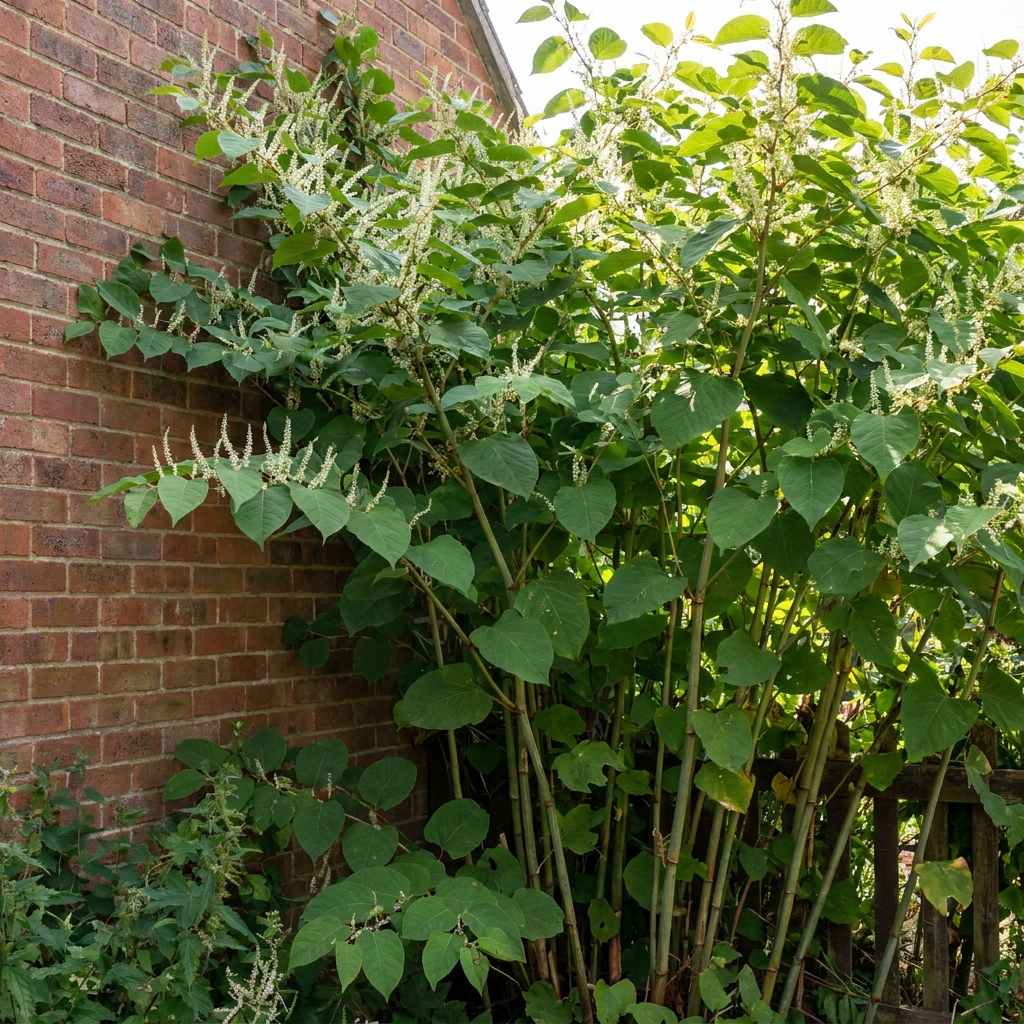
The short answer
If a seller answered question 7.8 of the TA6 Property Information Form falsely – saying “No” or “Not known” when they knew the property had knotweed – you may have a misrepresentation claim against them. The TA6 answers are relied on by the buyer, so a false reply can found a claim under the Misrepresentation Act 1967. To answer “No” honestly, a seller must be confident there is no rhizome present. Claims are generally subject to a six-year limitation period.
The TA6 Property Information Form is the document a seller completes to tell the buyer about the property, and question 7.8 asks specifically whether it is affected by Japanese knotweed. Because the buyer relies on those answers, a dishonest or careless reply can be actionable after completion. This guide explains when a non-disclosure becomes a claim and what you can recover.
Seller non-disclosure at a glance
- The question TA6 7.8 – affected by knotweed?
- Answers Yes / No / Not known
- False “No” when known Misrepresentation risk
- Legal basis Misrepresentation Act 1967
- Limitation Generally 6 years
- Proof needed Seller knew, and you relied on the answer
What TA6 question 7.8 asks
The TA6 form asks: “Is the property affected by Japanese knotweed?” with three options – Yes, No, or Not known. To answer “No” honestly, the seller should be confident that there is no knotweed rhizome present on the property. If they answer “Yes”, they are expected to provide a management or treatment plan. The answer is a representation the buyer is entitled to rely on when deciding to buy and what to pay.
When non-disclosure becomes a claim
A misrepresentation claim under the Misrepresentation Act 1967 can arise where:
- the seller made a false statement of fact – for example ticking “No” when knotweed was present and known;
- you relied on that statement in deciding to buy; and
- you suffered loss as a result – treatment costs, diminution in value, and sometimes more.
A genuinely honest “Not known” is much harder to challenge, which is part of why some sellers use it. The key battleground is what the seller actually knew – evidence such as earlier treatment records, photographs or neighbour testimony can be decisive.
| Seller’s answer | Buyer’s position |
|---|---|
| “Yes” with a treatment plan | Disclosed – you bought with knowledge; usually no claim. |
| “No” but knotweed was present and known | Potential misrepresentation claim. |
| “Not known” but seller in fact knew | Potential claim – turns on proving knowledge. |
| “Not known” and seller genuinely unaware | Hard to claim – no false statement of fact. |
What you can recover, and the time limit
A successful claim typically recovers the cost of treating the knotweed, any diminution in the property’s value, and associated losses. Such claims are generally subject to a six-year limitation period, so act promptly once you discover the problem. For the seller’s side of this duty – how to answer the form honestly – see selling a house with knotweed; and if you are the buyer who has just discovered it, see buying a house with knotweed.
What to do if you have just found it
- Get a PCA-accredited survey to confirm and date the infestation.
- Preserve the seller’s completed TA6 and any related correspondence.
- Take legal advice on whether the answer was false and what you can claim.
Frequently asked questions
Can I sue a seller who hid knotweed?
Possibly. If the seller answered TA6 question 7.8 falsely – saying “No” or “Not known” when they knew the property had knotweed – and you relied on that answer, you may have a misrepresentation claim under the Misrepresentation Act 1967.
What does TA6 question 7.8 ask?
It asks whether the property is affected by Japanese knotweed, with answers Yes, No or Not known. To answer “No” the seller should be confident there is no rhizome present.
Is “Not known” a safe answer for sellers?
Only if it is genuinely true. If the seller in fact knew about the knotweed, a “Not known” answer can still be challenged – though the buyer must prove the seller’s knowledge.
How long do I have to claim against the seller?
A misrepresentation claim is generally subject to a six-year limitation period. Act promptly once you discover the knotweed and take specialist legal advice.
Sources & further reading
- Misrepresentation Act 1967
- Law Society TA6 Property Information Form (question 7.8 — Japanese knotweed)
- RICS — Japanese knotweed and residential property guidance note (2022)
- Limitation Act 1980 (six-year period)
This guide is general information, not a site-specific survey or legal advice. Japanese knotweed treatment and removal should be assessed by a PCA-accredited specialist before you act.