The short answer
If knotweed rhizome from a neighbouring property encroaches onto your land, you can bring a claim in private nuisance. Williams v Network Rail (2018) confirmed that the encroachment is actionable because it interferes with your use and enjoyment of the land – you do not have to wait for structural damage. A successful claim can recover the cost of a treatment programme, your survey costs and general damages for loss of amenity, with diminution in value where it remains.
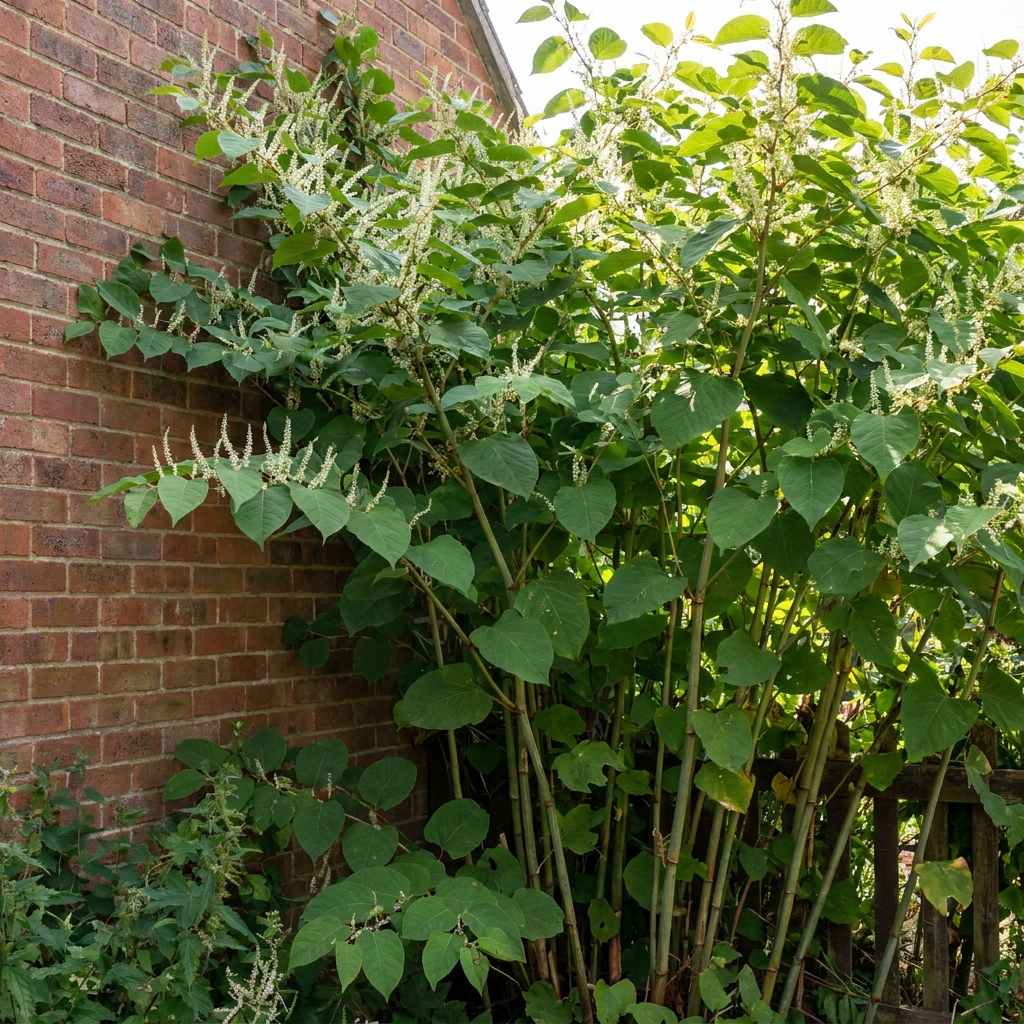
“Encroachment” is the legal word for knotweed rhizome growing under or across a boundary from someone else’s land onto yours. Before 2018 it was unclear whether you could sue without proving physical damage to your building. The Court of Appeal settled it: the burden the rhizome imposes on your land is itself the actionable harm. This guide explains the cause of action and the heads of loss you can claim.
Encroachment claims at a glance
- Cause of action Private nuisance
- Leading case Williams v Network Rail (2018)
- Damage required? No – encroachment alone suffices
- Treatment cost Recoverable (programme, not DIY)
- Survey cost Recoverable
- Amenity / diminution Recoverable where it remains
The cause of action: private nuisance
Private nuisance protects your use and enjoyment of your land. In Williams v Network Rail the Court of Appeal described three forms it can take: encroachment, physical injury to the land, and interference with quiet enjoyment. Knotweed rhizome crossing a boundary falls squarely within encroachment. Crucially, the court held that the mere presence of the rhizome imposes an immediate burden – it makes the land harder and more expensive to develop and affects its amenity value – so you do not have to wait for cracked walls before you can sue.
What you have to show
- Encroachment in fact: that knotweed rhizome from the defendant’s land has crossed onto yours – proven by a survey.
- The defendant’s responsibility: that they knew or ought to have known of the knotweed and failed to take reasonable steps once a reasonable landowner would have acted.
- Interference: that the encroachment interferes with your use and enjoyment of the land – which, after Williams, the presence of rhizome itself establishes.
What you can recover
| Head of loss | What it covers |
|---|---|
| Treatment programme | The reasonable cost of a professional, insurance-backed programme – typically £1,500–£3,000 over about three seasons. |
| Survey / report | The cost of confirming and mapping the encroachment (about £150–£350). |
| General damages | Loss of amenity and interference with quiet enjoyment while the problem persists. |
| Residual diminution | Any lasting reduction in the property’s value once treatment is complete. |
In Williams itself the court awarded each claimant the cost of a treatment package, a survey cost, annual amenity damages and a sum for residual diminution in value. The exact figures turn on the facts; the categories are the useful part.
Before you litigate
Most encroachment problems should be raised through the neighbour-dispute ladder first – survey, letter, council – with a claim as the final rung. On timing and representation, see when to instruct a solicitor. Claims against large landowners such as railways have their own considerations, covered in the Network Rail claim guide.
Frequently asked questions
Do I need physical damage to claim for knotweed encroachment?
No. Williams v Network Rail confirmed that rhizome encroachment is actionable in nuisance because it interferes with your use and enjoyment of the land and affects its amenity value, even without structural damage.
What can I recover in an encroachment claim?
Typically the cost of a professional treatment programme, your survey cost, general damages for loss of amenity, and any residual diminution in the property’s value once treatment is complete.
Who can I bring the claim against?
The owner or occupier of the land from which the knotweed encroached, where they knew or ought to have known of it and failed to take reasonable steps to deal with it.
Will the court order full excavation?
Not necessarily. Damages reflect reasonable mitigation, so a herbicide treatment programme is often the measure rather than the much higher cost of dig-and-dump excavation.
Sources & further reading
- Williams v Network Rail Infrastructure Ltd [2018] EWCA Civ 1514 (Court of Appeal)
- RICS — Japanese knotweed and residential property guidance note (2022)
- Property Care Association — Invasive Weed Control Group standards
- gov.uk — Prevent Japanese knotweed from spreading
This guide is general information, not a site-specific survey or legal advice. Japanese knotweed treatment and removal should be assessed by a PCA-accredited specialist before you act.