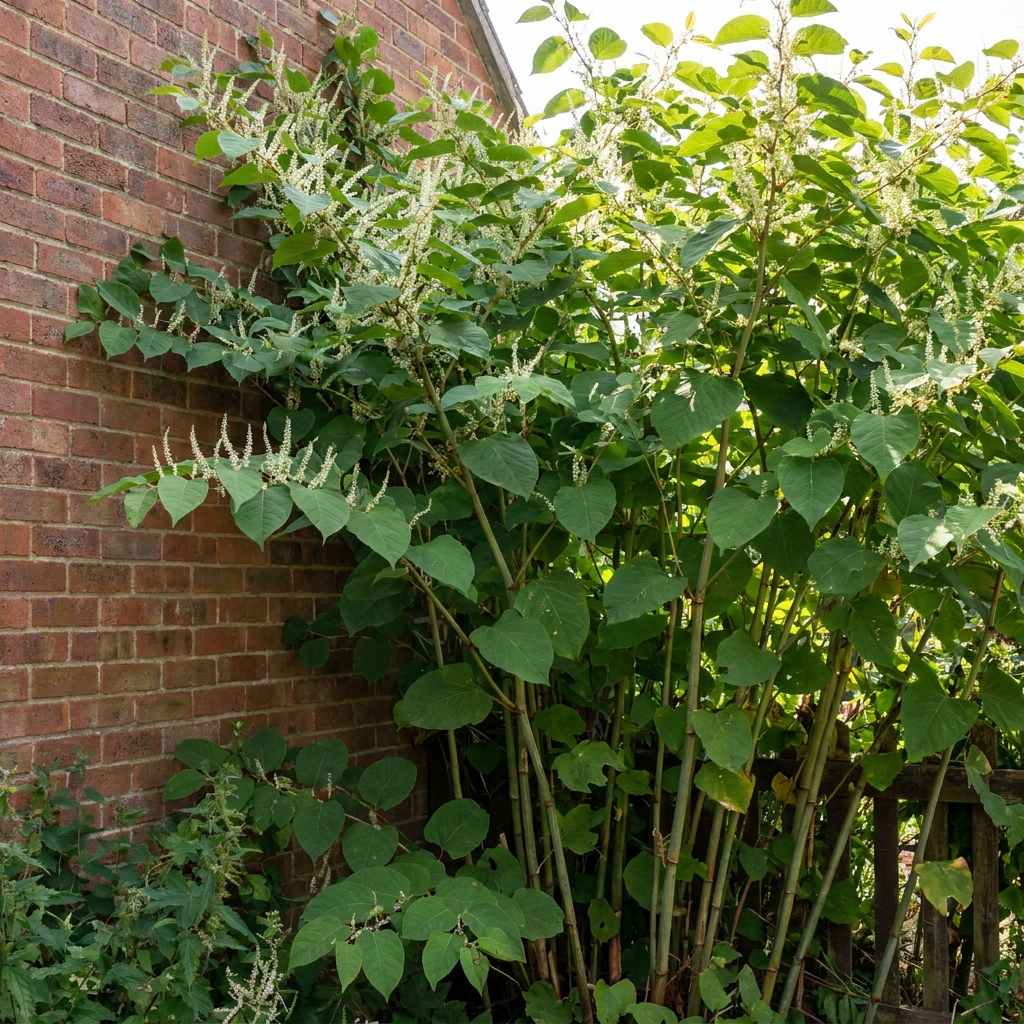
The short answer
A treatment plan (or management plan) is a written document from a PCA-accredited contractor setting out the extent of the knotweed, the chosen method, the timetable and the monitoring period. It typically includes the survey findings, the treatment method (herbicide or excavation), a programme of works, a monitoring period after the visible plant has gone, and an insurance-backed guarantee. Mortgage lenders usually require this document before they will lend on an affected property.
A treatment plan turns a knotweed problem into a managed, documented process — which is exactly what lenders, surveyors and buyers want to see. It is more than a quote: it records what was found, how it will be dealt with, how long it will be watched, and what protection the owner has if regrowth occurs. Here is what a credible plan contains.
Treatment plan at a glance
- Produced by PCA-accredited contractor
- Core contents Survey, method, timetable, monitoring
- Monitoring period Typically several years
- Guarantee Insurance-backed (IBG)
- Why it matters Usually required by lenders
What a credible plan includes
- Survey findings — the location and extent of the stand, and an assessment of risk to the property and any neighbours.
- Chosen method — herbicide programme, excavation, or a combination, with reasons.
- Programme of works — the season-by-season schedule of treatment visits.
- Monitoring period — ongoing checks after the visible plant has died back, to confirm the rhizome has not regrown.
- Insurance-backed guarantee (IBG) — protection that the work will be honoured even if the contractor ceases trading.
Why the monitoring period matters
A stand can look dead while the rhizome remains dormant. A treatment plan therefore continues to monitor the site for a period after the canes have gone — commonly several years — before the contractor signs it off. This is why ‘dormant’ and ‘dead’ are not the same; see how long it takes. The monitoring period is also what underpins the guarantee.
| Plan stage | Purpose |
|---|---|
| Survey & assessment | Establish extent and risk |
| Treatment programme | Kill or remove the rhizome |
| Monitoring | Confirm no regrowth |
| Sign-off & guarantee | Document completion for lender/buyer |
How it links to cost and method
The plan follows the survey and drives the cost — the method chosen (herbicide or excavation) determines the price; see removal cost. The plan is the single document that connects the survey, the works and the guarantee, and it is what you hand to a surveyor or solicitor. For the methods themselves, see how to kill knotweed.
This page is general information, not a survey or legal advice. A treatment plan must be prepared for your specific site by a PCA-accredited specialist.
Frequently asked questions
What is the difference between a treatment plan and a management plan?
The terms are used interchangeably. Both describe the written document from a PCA-accredited contractor setting out the survey findings, the method, the works programme, the monitoring period and the guarantee.
How long is the monitoring period?
It varies by site and method but commonly runs for several years after the visible plant has gone, because the rhizome can remain dormant and regrow. The contractor monitors until satisfied there is no regrowth.
Why does a lender want a treatment plan?
Knotweed can affect a property’s value and saleability, so lenders want evidence that it is being professionally managed with a guarantee. A documented, insurance-backed plan from a PCA-accredited firm gives them that assurance.
Does the plan guarantee the knotweed is gone?
The insurance-backed guarantee provides protection if regrowth occurs within its term, but no responsible contractor guarantees instant eradication. That is why the monitoring period exists.
Sources & further reading
- Property Care Association (PCA) — Invasive Weed Control Group: management plans and guarantees
- RICS — Japanese knotweed and residential property, 2022 guidance note
- gov.uk — Japanese knotweed: when you must control it
- Environment Agency — Knotweed code of practice
This guide is general information, not a site-specific survey or legal advice. Japanese knotweed treatment and removal should be assessed by a PCA-accredited specialist before you act.